








San Martino della Vaneza Castle
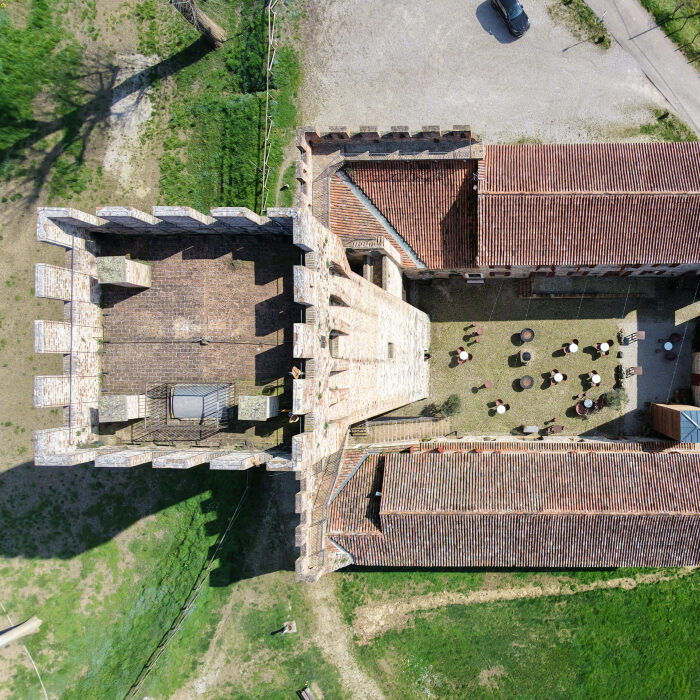
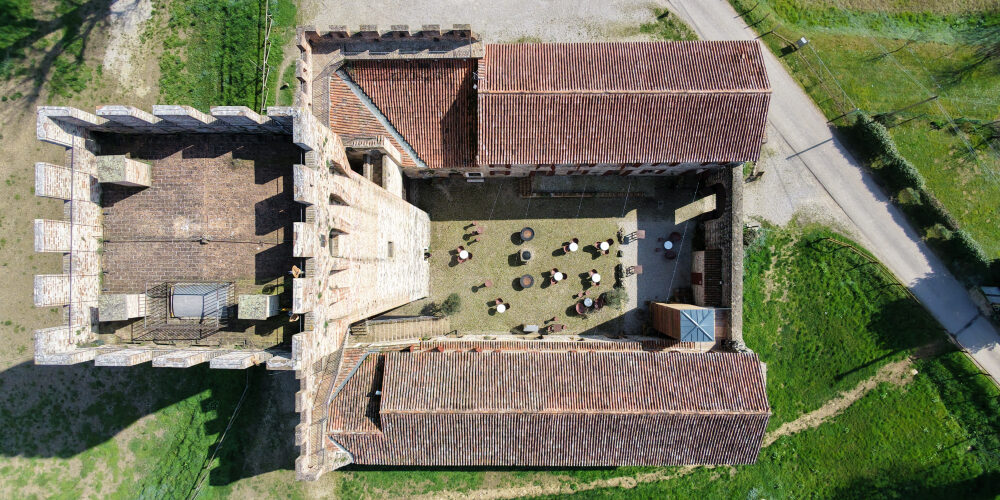
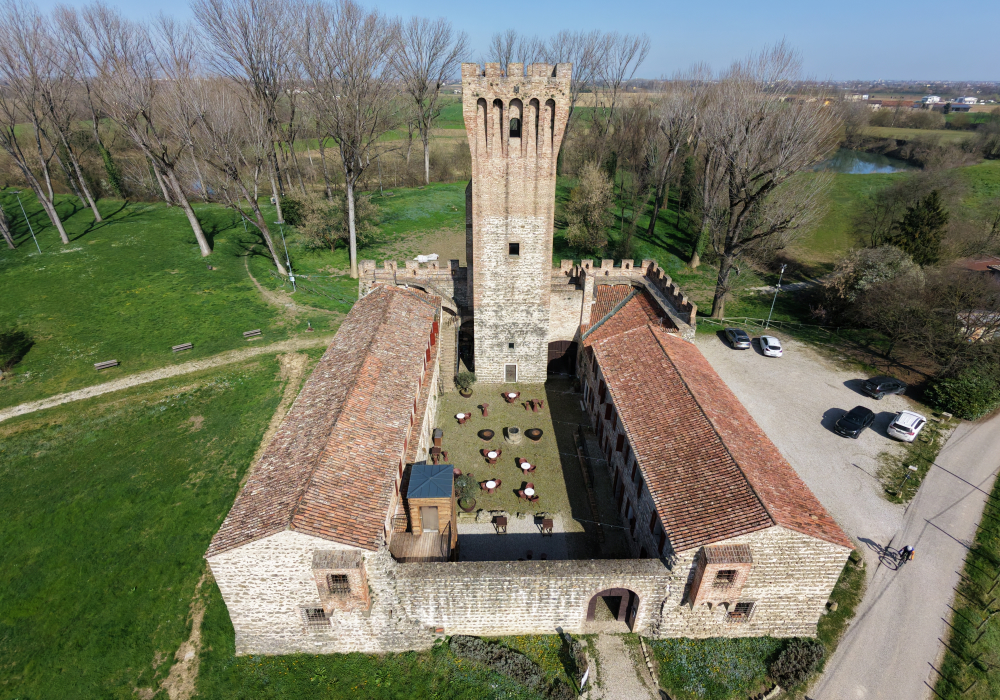
The Castle of San Martino della Vaneza is a place rich in history, closely connected to the memory of the city of Padua and the events that shaped its territory. Originally built as a border stronghold, it served for centuries as a strategic control point and a symbol of the western defense system, witnessing conflicts, shifts of power, and transformations that deeply influenced its identity.
With the decline of its military function, the fortress changed role without losing its historical value. From a defensive bastion it became a civil space and storage facility, preserving within its walls the traces of different historical periods. Today, the castle appears as a synthesis of architectural layers, capable of telling the story of the continuity between military history and the memory of the surrounding landscape.
The history of the castle emerges from the analysis of its different construction phases, identified through the stratigraphic study of its masonry.
Transformations, expansions, and reuse document the evolution of the complex over time, revealing the sequence of interventions that progressively shaped its current architectural layout.
San Martino Castle is closely connected to the course of the Bacchiglione River, a natural presence that played a decisive role in defense and communication. The river functioned both as a barrier and as a controlled access route, allowing the movement of people and materials toward Padua and the lagoon. For centuries, water was an integral part of the castle’s strategic system and its territorial organization.
Over time, the Bacchiglione also acquired an economic role, transforming the site into a commercial hub and an active river port involved in trade with Venice. Today, the river retains historical and archaeological value: discoveries along its banks reveal traces of military and everyday life, confirming the deep connection between the castle and the river landscape that shaped its development and identity.
The Bacchiglione River played a fundamental role in the development of both the castle and the city of Padua. Its waters were a strategic resource for trade, supply, and defense.
The numerous artifacts discovered in the river testify to the intense relationship between the settlement, the river system, and the daily activities that took place along its banks.
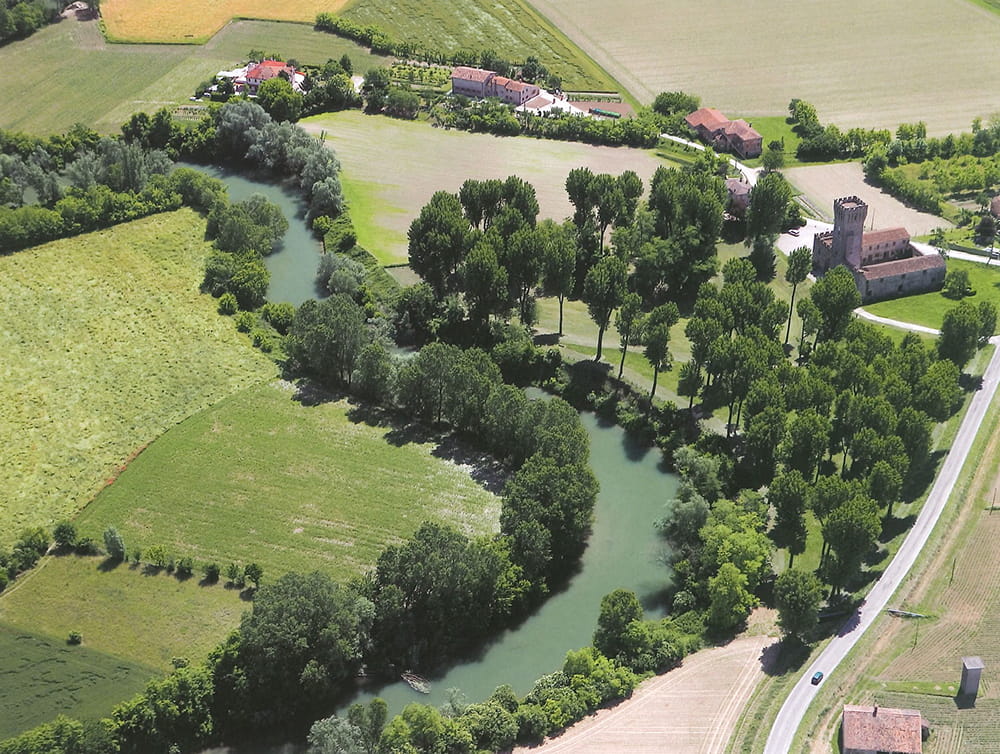
The museum was created as part of a project aimed at recovering and enhancing artifacts discovered in the Bacchiglione River, with the goal of telling the story of the communities that inhabited the alluvial plain over the centuries. The exhibition path highlights the deep connection between people, the river, and the surrounding territory, offering insight into life, activities, and the transformations of the river landscape.
The museum is organized into two main sections:
Most of the archaeological artifacts on display come from discoveries made in the Bacchiglione River. On the website they are presented following the same organization used in the museum, allowing visitors to understand together the context, ceramic typologies, and material evidence connected to the history of the territory.
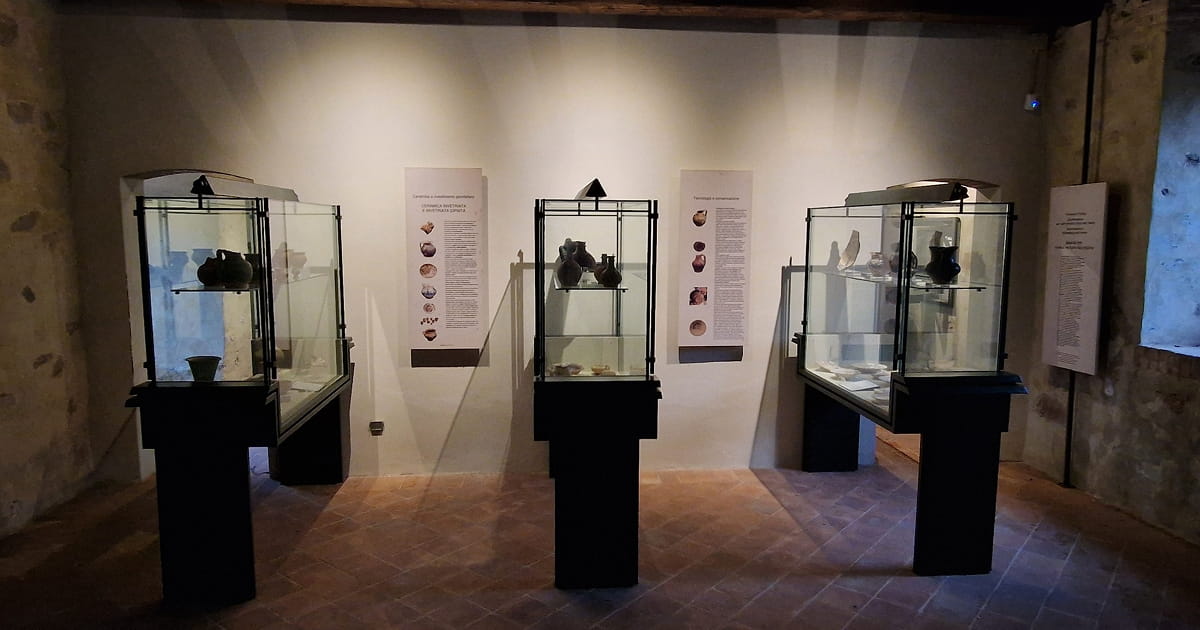
Discover the archaeological collection from the Bacchiglione River
Cookie policy
Su questo sito utilizziamo strumenti propri o di terze parti che memorizzano piccoli file (cookie) sul tuo dispositivo. I cookie sono normalmente utilizzati per consentire il corretto funzionamento del sito (cookie tecnici), per generare rapporti sull’uso della navigazione (cookie statistici) e per pubblicizzare in modo adeguato i nostri servizi/prodotti (cookie di profilazione). Possiamo utilizzare direttamente i cookie tecnici, ma hai il diritto di scegliere se abilitare o meno i cookie statistici e di profilazione. Abilitando questi cookie, ci aiuti a offrirti un’esperienza migliore.