





N. inventario: IG 14025
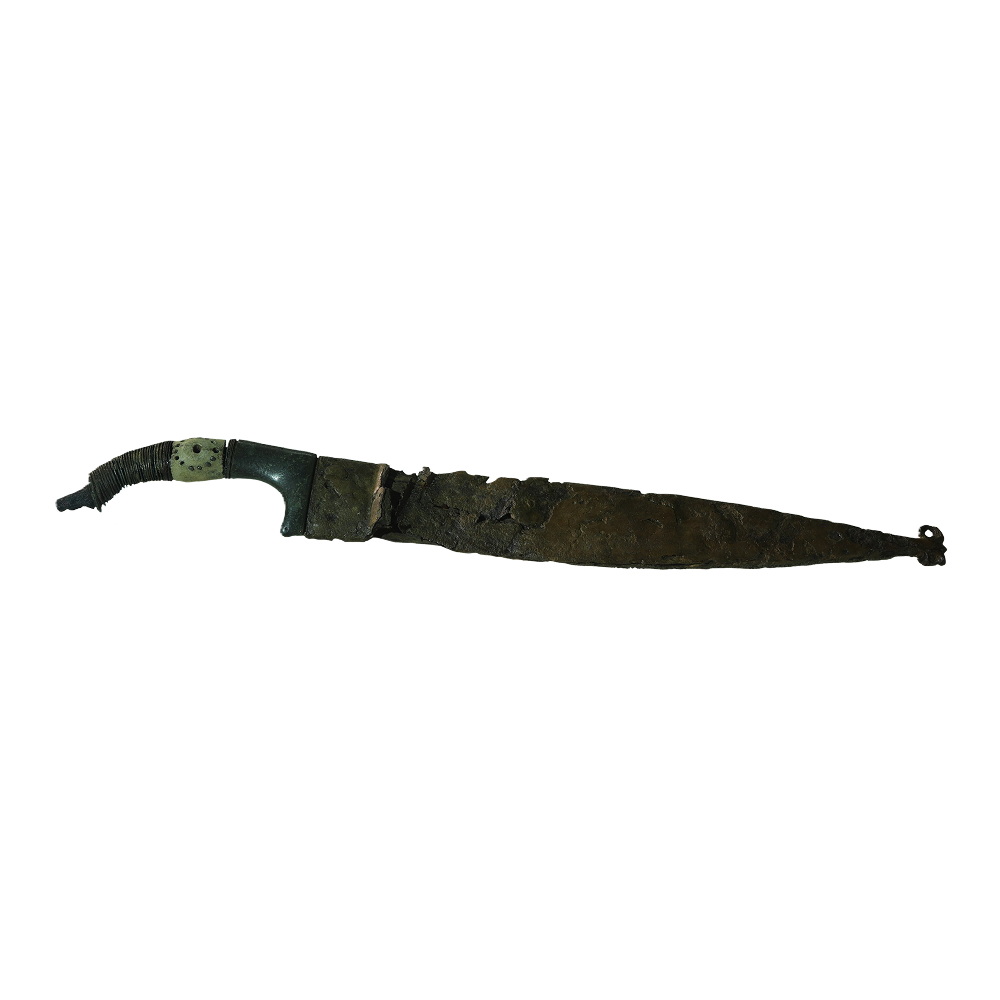
Knife with iron blade, tang with bronze and bone elements, and iron sheath ending in two suspension loops; the interior of the sheath is lined with a wooden insert.
| Teca |
Display case ritual sword |
|---|---|
| Collocazione | Museo del Fiume Bacchiglione, Castello di San Martino della Vaneza, Cervarese Santa Croce (Padua), Room XXX, Case XXX |
| Data | 5th century BC (Late Iron Age) |
| Materiale | Bronze |
| Misure | Length 43,2 cm |
In front of you is a knife dating back to the 5th century BCE, a period within the Late Iron Age, discovered in the area of Cervarese Santa Croce along the Bacchiglione River, between Selvazzano Dentro and Saccolongo. Today, it is preserved at the Museo del Fiume Bacchiglione, in the Castello di San Martino della Vaneza.
This is an object of remarkable technical and formal refinement. The blade, over 43 centimeters long, is made of iron and features a straight back with a slightly curved cutting edge. At the base of the blade, there is a tang with a socket on which the handle is mounted. The handle is composed of multiple materials: a bone cylinder decorated with small bronze studs arranged in a circle, alternated with a series of bronze discs and other elements made of perishable materials such as leather or plant resin. This combination of materials not only served a structural purpose but also endowed the object with strong aesthetic value.
Particularly noteworthy is the sheath, crafted from a sheet of iron and ending with two conical-hole rings for suspension. On the inner side, there is a looped strap that allowed the knife to be attached to a belt. Exceptionally, the bivalve wooden liner made of maple is still preserved inside the sheath, fixed to the inner surface of the metal plate. The survival of this wooden element is rare and is due to the protection provided by metal oxides, which in some cases have allowed parts normally prone to decay to endure over time.
From a cultural perspective, this type of knife belongs to a tradition developed within the Rhaetian culture, spread across Trentino-Alto Adige and South Tyrol, and later adopted in the Venetian pre-Alpine area. Very similar examples have been found in Caverzano (Belluno) and Este (Padua), both within funerary contexts. This suggests that objects like this were not merely everyday tools but also carried symbolic and identity-related value for the communities that used them.
The knife, therefore, represents not only a weapon or utensil but also a precious testimony to the technical knowledge, cultural contacts, and social practices of the populations inhabiting this territory in the 5th century BCE.
Ruga A., Ruta Serafini A., Serafini M. 1995, Coltellaccio di ferro dal Bacchiglione, in Quaderni di Archeologia del Veneto XI, pp. 82–87.
Bianchin Citton E., Malnati L. 2001, Reperti bronzei protostorici dai fiumi veneti, in Cresci Marrone G., Tirelli M. (eds.), Orizzonti del sacro. Culto e santuari antichi in Altino e nel Veneto orientale, Proceedings of the Conference (Venice 1999), Rome, pp. 201–207.
This type of knife, characterized by a sheath with two terminal rings or buttons and a handle made of mixed materials, belongs to a typology developed within the Rhaetian culture (Trentino-Alto Adige – South Tyrol) and later widespread in the pre-Alpine Veneto region.
Two particularly close parallels come from Caverzano (Belluno) and Este (Padua), both discovered in burial contexts.
In some cases, the corrosion products of metal can preserve normally perishable materials. This process occasionally allows the survival of elements such as the thin wooden liners that once covered the interior of certain metal sheaths.
5th century BC (Late Iron Age)
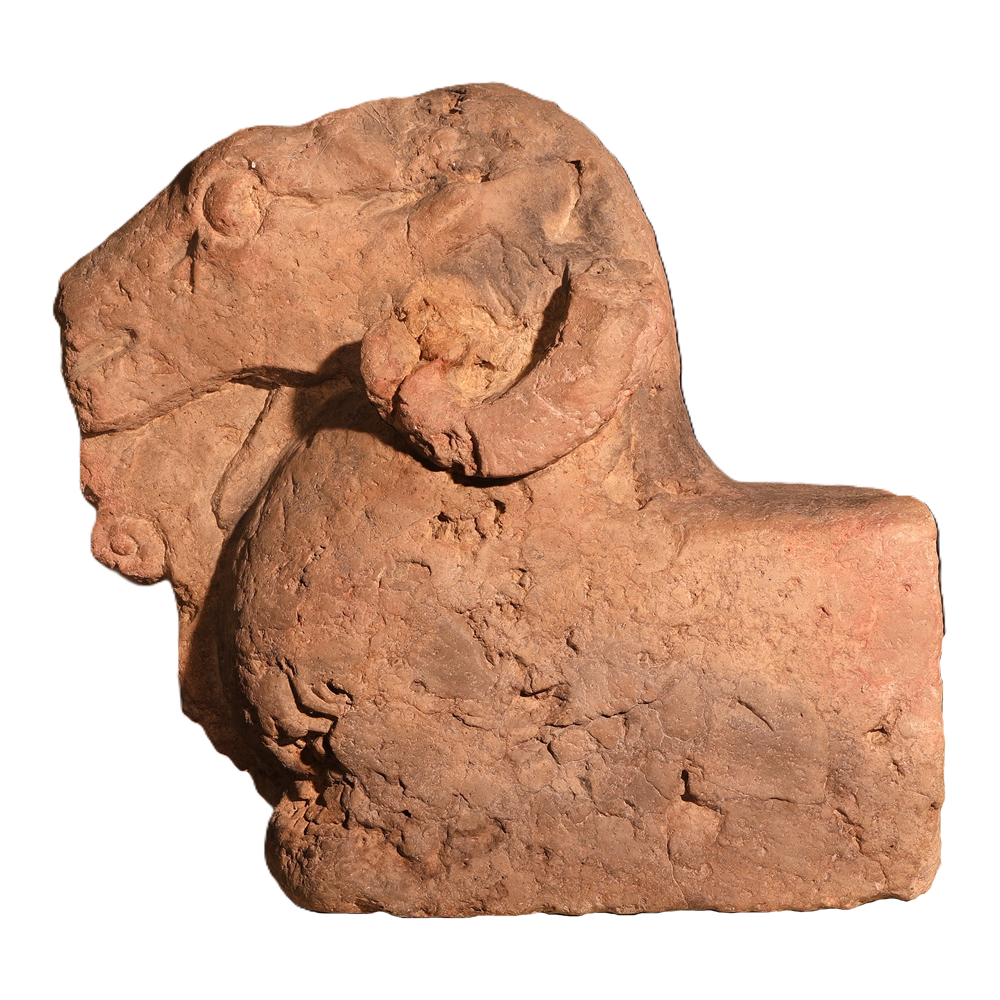
6th–5th century BC (Iron Age)
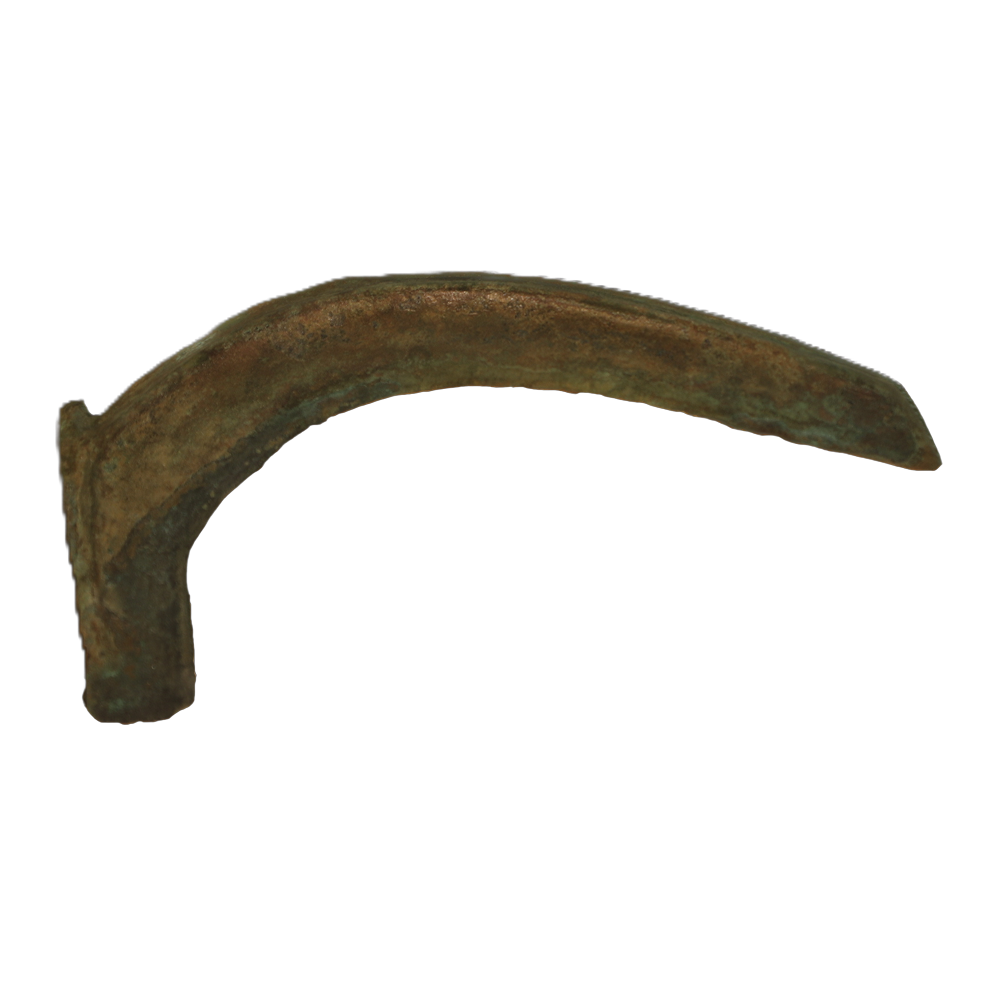
13th–12th century BC (Recent / Late Bronze Age)
Cookie policy
Su questo sito utilizziamo strumenti propri o di terze parti che memorizzano piccoli file (cookie) sul tuo dispositivo. I cookie sono normalmente utilizzati per consentire il corretto funzionamento del sito (cookie tecnici), per generare rapporti sull’uso della navigazione (cookie statistici) e per pubblicizzare in modo adeguato i nostri servizi/prodotti (cookie di profilazione). Possiamo utilizzare direttamente i cookie tecnici, ma hai il diritto di scegliere se abilitare o meno i cookie statistici e di profilazione. Abilitando questi cookie, ci aiuti a offrirti un’esperienza migliore.